RV Parks & Campgrounds for Sale in BC: A Buyer's Guide to British Columbia Camping Investments
Why RV Parks & Campgrounds for Sale in BC Are a Smart Investment
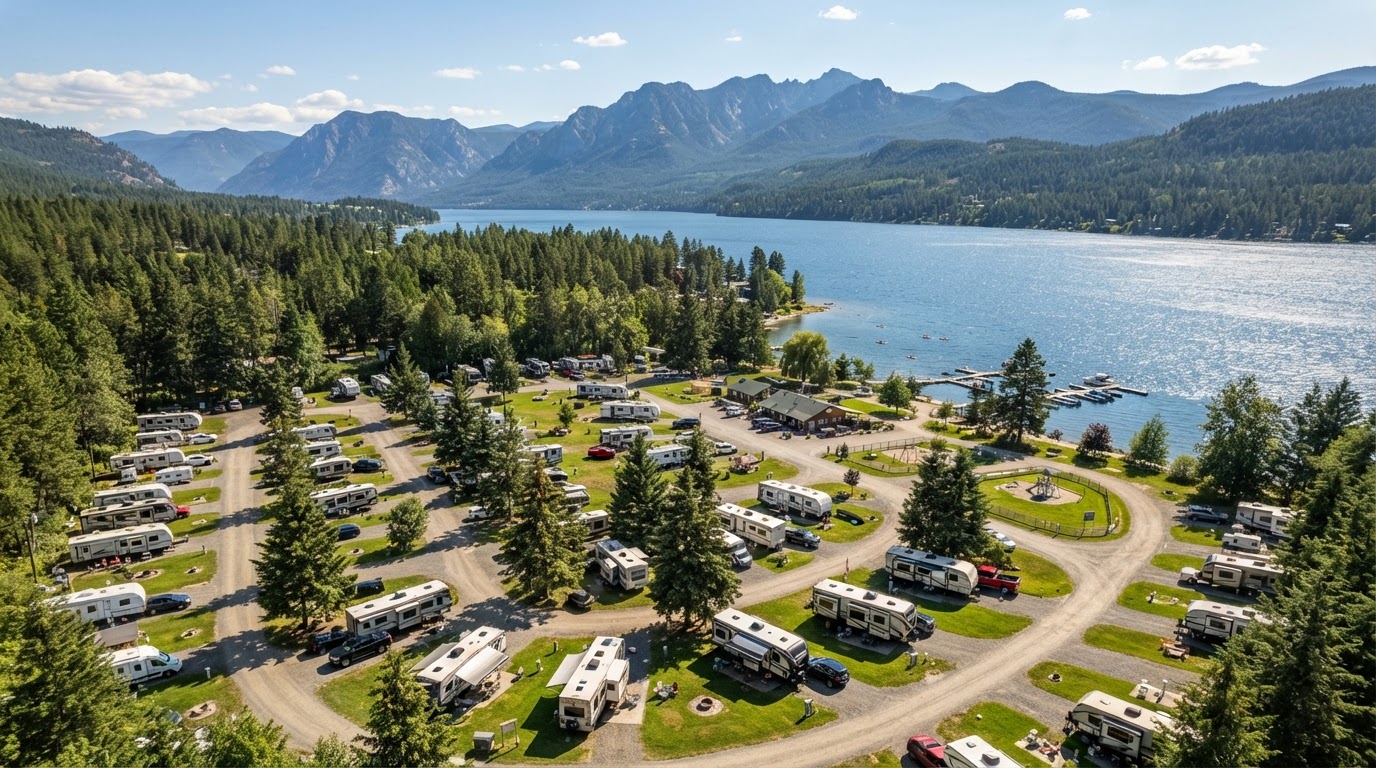
British Columbia's RV park and campground market offers a rare combination of tourism-driven revenue, real estate ownership, and lifestyle appeal. BC is one of North America's premier RV and camping destinations — the Rocky Mountains, the Okanagan's warm-water lakes, the Kootenays, Vancouver Island's coast, and the Alaska Highway corridor draw hundreds of thousands of RV travellers every year.
For investors, RV parks offer seasonal recurring revenue with real estate appreciation, while campgrounds and glamping properties offer value-add opportunities through expansion, rebranding, and amenity upgrades. Whether you are seeking a turnkey RV resort in the Okanagan, a highway RV park along the Trans-Canada, or a lakeside campground on Vancouver Island, this guide explains what to look for.
This article is for educational purposes only and does not constitute financial, investment, or real estate advice. Verify current market conditions, regulatory requirements, and property details with the original sources and qualified professionals before making any decision.
What Is an RV Park or Campground in British Columbia?
In BC real estate, RV parks and campgrounds are commercial tourism properties that rent sites to travellers in recreational vehicles, tents, and cabins. They range from basic overnight stops with full hookups to luxury RV resorts with pools, clubhouses, and wifi.
Key distinctions:
- RV park: Sites with full or partial hookups (power, water, sewer) for motorhomes and trailers. Revenue is per-night, weekly, or seasonal.
- Campground (tent / rustic): Unserviced or partially serviced tent and cabin sites. Lower infrastructure, lower revenue, lower operating cost.
- RV resort: Higher-end RV parks with amenities — pools, clubhouses, wifi, paved pads, organized activities. Higher nightly rates, stronger seasonal occupancy.
- Glamping / cabin park: Pre-set tents, yurts, or cabins rented nightly. Higher per-night revenue, lower guest-owned-equipment dependency.
- Hybrid RV + motel: Some BC properties combine motel rooms with RV sites, diversifying revenue across accommodation types.
BC RV Park & Campground Market Overview
Several trends are shaping the BC camping and RV park market:
- Record RV ownership: RV sales in Canada surged through 2020–2024, and a large installed base of RVs continues to drive demand for RV park sites.
- Domestic & US tourism: BC is a top destination for both Canadian and US RV travellers, particularly from Alberta, Washington, and California.
- Seasonal site demand: Many RV parks are shifting toward seasonal site rentals — guests rent a site for the entire summer, providing predictable recurring revenue.
- Glamping growth: Glamping and cabin rentals attract guests who don't own RVs, extending the market and increasing shoulder-season occupancy.
- Aging ownership: Many BC RV parks and campgrounds are long-established family businesses whose owners are retiring, creating acquisition opportunities.
- Land value: RV parks are often on desirable waterfront, highway, or tourism land — the underlying real estate may appreciate independently of the operating business.
Top Regions for RV Parks & Campgrounds for Sale in BC
1. The Okanagan — Kelowna, Vernon, Penticton, Osoyoos
The Okanagan is BC's premier summer tourism region — warm lakes, wineries, orchards, and golf draw RV travellers from across Western Canada and the US. RV parks and campgrounds in the Okanagan benefit from high summer occupancy and strong nightly rates. Lakeside or wine-country properties command premium pricing. Shoulder-season demand is growing as wineries extend their season.
Buyer profile: Lifestyle investors, tourism operators, and value-add buyers targeting rebranding or glamping conversions.
2. The Kootenays — Nelson, Cranbrook, Radium Hot Springs
The Kootenay region offers some of BC's most scenic and affordable RV park opportunities. Hot springs, mountain hiking, and lakes draw summer tourists, while the region's lower acquisition cost makes it attractive for first-time tourism investors. Radium Hot Springs and Cranbrook serve both leisure travellers and traffic along Highway 93/95.
Buyer profile: Value investors, lifestyle buyers, and operators seeking lower entry costs.
3. Vancouver Island — Parksville, Courtenay, Campbell River, Tofino
Vancouver Island's oceanfront, old-growth forests, and fishing tourism create strong demand for coastal RV parks and campgrounds. The Island's east coast (Parksville, Courtenay) has family-friendly beach RV parks with high summer occupancy, while the west coast (Tofino, Port Alberni) draws adventure and eco-tourism travellers willing to pay premium rates.
Buyer profile: Coastal lifestyle investors, eco-tourism operators, and waterfront property buyers.
4. The BC Interior & Highway Corridors — Kamloops, Salmon Arm, Sicamous
Towns along the Trans-Canada Highway serve the constant flow of RV travellers between the Lower Mainland and Alberta. Sicamous, at the junction of Highway 1 and Highway 97, is a particularly strong location — it's the gateway to the Shuswap and a natural overnight stop. These corridor properties benefit from reliable through-traffic and are often priced below tourism-destination properties.
Buyer profile: Conservative investors, first-time buyers, and highway-corridor operators.
5. Northern BC & the Alaska Highway — Fort St. John, Fort Nelson, Mile 0
The Alaska Highway is one of the world's great RV road trips, and Fort St. John (Mile 0 of the Alaska Highway) and Fort Nelson are key fuel and overnight stops for northbound travellers. RV parks in these communities serve both tourism traffic and the resource-industry workforce, creating a dual revenue base. Northern BC offers some of the lowest acquisition costs in the province.
Buyer profile: Investors targeting workforce + tourism dual revenue, high-yield buyers, and Alaska Highway operators.
Types of RV Parks & Campgrounds for Sale in BC
| Type | Typical Revenue | Best For |
|---|---|---|
| Full-hookup RV park | Per-night / weekly / seasonal | Operators seeking year-round or seasonal recurring revenue |
| RV resort (amenitized) | Higher per-night + memberships | Premium market buyers, Okanagan & Vancouver Island |
| Tent campground (rustic) | Per-night, lower rate | Low-infrastructure investors, parks ministry leases |
| Glamping / cabin park | Higher per-night, extended season | Value-add buyers, non-RV-market expansion |
| Seasonal / long-term RV park | Monthly or seasonal contract | Recurring-revenue investors, workforce housing |
| Hybrid RV + motel / lodge | Multiple revenue streams | Diversified hospitality operators |
| Waterfront RV park | Premium seasonal rates | Lifestyle investors, tourism-destination buyers |
How to Buy an RV Park or Campground in BC: Step-by-Step
- Define your investment criteria: Determine budget, region, RV park type (full hookup, resort, glamping, seasonal), and operator model (owner-operator on-site vs. seasonal management).
- Engage a tourism-experienced broker: RV park and campground transactions involve both real estate and business valuation. Work with a broker experienced in BC tourism properties and the region you are targeting.
- Analyze the financials: Request 3 years of operating statements. Key metrics include nightly occupancy, seasonal occupancy, average nightly rate, site count, total site revenue, ancillary revenue (store, laundry, wifi, firewood), and net operating income.
- Assess the infrastructure: RV park infrastructure — power pedestals, water lines, sewer/septic, roads, drainage — has a defined maintenance and replacement cost. Commission an inspection of the utility systems.
- Review the land & zoning: Confirm zoning for RV park / campground use, land area, site density permitted, waterfront or riparian setbacks, and any Agricultural Land Reserve (ALR) considerations if the land is within the ALR.
- Conduct due diligence: Review operating permits, health authority approvals (for water systems and sanitation), environmental assessments (for septic or waterfront properties), and any existing guest booking contracts.
- Secure financing: RV park and campground financing is commercial. Conventional lenders may require 30–40% down and 2–3 years of financials. Seller financing is common in tourism property transactions.
- Negotiate and close: Engage a BC commercial real estate lawyer to manage the purchase agreement, transfer of permits, and closing.
Due Diligence Checklist: RV Parks & Campgrounds for Sale in BC
| Item | Why It Matters |
|---|---|
| 3 years of operating financials | Establishes revenue trend, seasonality, and NOI |
| Site occupancy & reservation data | Reveals peak vs. shoulder-season utilization |
| Utility infrastructure inspection | Power pedestals, water lines, septic — major replacement cost |
| Water & septic system permits | BC health authority approval is required for water systems |
| Zoning & land use confirmation | Confirms RV park use, site density, and expansion potential |
| ALR status (if applicable) | ALR land has restrictions on non-farm use — confirm permitted use |
| Riparian / waterfront setbacks | BC riparian regulations affect development near water |
| Seasonal vs. transient site mix | Reveals revenue stability and customer concentration |
| Online reviews & reputation audit | Reviews drive booking decisions in the camping market |
| Booking platform & contract review | Review contracts with platforms like RV park booking sites |
| Environmental assessment (if applicable) | Required for septic, waterfront, or older properties |
| Property tax assessment | Confirms tax status and identifies reassessment risk post-sale |
Seasonal vs. Year-Round Operations
Most BC RV parks and campgrounds operate on a seasonal basis — typically May through October — with the highest revenue months in July and August. Year-round RV parks are less common but exist in the Lower Mainland, the Okanagan, and along key highway corridors where winter traffic or workforce demand supports operation.
| Operating Model | Season | Revenue Profile |
|---|---|---|
| Seasonal RV park (summer) | May–October | Concentrated in 4–6 months, high summer occupancy |
| Year-round RV park | Year-round | Lower winter occupancy, stable shoulder revenue |
| Seasonal site (long-term) | Annual contract | Recurring monthly revenue, lower turnover |
| Glamping / cabin | Extended season | Higher per-night, extends shoulder season |
ALR & Land Use Considerations for BC RV Parks
If the RV park or campground is on land within BC's Agricultural Land Reserve (ALR), additional considerations apply. The ALR is regulated by the Provincial Agricultural Land Commission (ALC), and non-agricultural uses — including commercial RV parks — may require approval or be subject to restrictions on site count, footprint, and duration. Confirm the property's ALR status and any existing ALC approvals before purchasing. Some RV parks operate on ALR land under grandfathered or permitted-use arrangements; verify the current status with the ALC and a qualified professional.
Financing an RV Park or Campground Purchase in BC
RV park and campground financing is commercial and is typically based on the business's cash flow and the real estate's value. Common approaches include:
- Conventional commercial financing: 30–40% down, 2–3 years of financials, and an appraisal of both the real estate and the business.
- Vendor take-back / seller financing: Very common in tourism property transactions — reduces buyer cash required and demonstrates seller confidence in the business.
- CMHC-insured loans: Available for some qualifying properties, offering lower rates and higher loan-to-value.
- Tourism property loans: Some credit unions and lenders offer programs specifically for tourism and hospitality properties.
Speak with a commercial mortgage broker experienced in BC tourism and hospitality properties. This section is informational only and not financial advice.
BC-Specific Regulatory Considerations
- ALR & ALC: If the land is in the Agricultural Land Reserve, confirm permitted use and any ALC conditions.
- Water & septic permits: BC health authorities regulate water systems and septic. Confirm current permits and transferability.
- Riparian area regulations: Properties near water are subject to BC's riparian area protection regulations, which may affect expansion or development.
- Zoning & site density: Local zoning determines the number of sites permitted, setbacks, and amenity allowances.
- Real Estate Services Act compliance: Tourism property sales involving both real estate and business components must comply with BC real estate licensing and disclosure requirements.
Frequently Asked Questions: RV Parks & Campgrounds for Sale in BC
How much does an RV park cost in British Columbia?
RV park prices in BC range widely. A small rustic campground in the BC Interior may sell for $500,000–$1.5 million. A full-hookup RV park with 30–50 sites in the Okanagan or Kootenays typically sells for $1.5–4 million. Waterfront RV resorts or high-revenue properties in premium tourism destinations can sell for $4–10 million or more depending on site count, amenities, and real estate value. Verify current pricing by comparing recent sales in your target region.
Are RV parks a good investment in BC?
For the right buyer, RV parks offer seasonal recurring revenue, real estate ownership, and lifestyle appeal. Success depends on location, occupancy, operating cost control, and the operator's ability to manage a seasonal tourism business. This article is educational and does not constitute investment advice. Conduct independent financial analysis and consult qualified professionals before purchasing.
Can I buy an RV park on ALR land in BC?
Some RV parks operate on land within the Agricultural Land Reserve under grandfathered or permitted-use arrangements. ALR land is regulated by the Provincial Agricultural Land Commission, and non-agricultural commercial use may require approval or be subject to restrictions. Confirm the property's ALR status and any existing approvals with the ALC and a qualified professional before purchasing.
What is the difference between an RV park and a campground?
An RV park typically offers full or partial hookups (power, water, sewer) for motorhomes and travel trailers. A campground often refers to tent or rustic sites with fewer or no services. RV resorts are higher-end RV parks with amenities. Glamping parks offer pre-set tents, yurts, or cabins. The right property depends on your budget, operator model, and target market.
What financing is available for an RV park purchase in BC?
Conventional commercial financing (30–40% down), vendor take-back mortgages, CMHC-insured loans for qualifying properties, and tourism property loan programs from credit unions are all options. Lenders evaluate the business's cash flow, the real estate value, and the buyer's experience. Speak with a commercial mortgage broker experienced in BC tourism properties.
What due diligence should I do before buying an RV park in BC?
Request 3 years of financials, site occupancy data, a utility infrastructure inspection, water and septic permits, zoning and ALR confirmation, riparian setbacks, and an environmental assessment if applicable. Engage a BC commercial real estate lawyer to manage the transaction.
Ready to Find an RV Park or Campground for Sale in BC?
Whether you are seeking a lakeside RV resort in the Okanagan, a highway RV park along the Trans-Canada, a coastal campground on Vancouver Island, or a workforce-serving park in Northern BC, Rexara Realty Inc. can help you identify and acquire the right camping investment for your goals.
We work with buyers across British Columbia's RV park and campground market — providing access to on-market and off-market opportunities, infrastructure and financial analysis support, and end-to-end transaction advisory.
Gurjit Ghai
REALTOR® — Personal Real Estate Corporation
Rexara Realty Inc.
☎ 778-855-2019
✉ info@rexararealty.com
🌐 www.rexararealty.com
This article is for educational purposes only and does not constitute legal, financial, investment, or real estate advice. Market data is drawn from publicly available sources and changes over time. Verify current figures with the original sources and consult qualified professionals before making real estate or financial decisions.

Gurjit Ghai, REALTOR®
Gurjit Ghai Personal Real Estate Corporation
Brokerage: Rexara Realty Inc.
Licensed Managing Broker specializing in commercial transactions, residential acquisitions, ALR farmland, and business brokerage across British Columbia.
Verify licence on BCFSA public registry →View author profile & articles →⚖️Important Real Estate & Legal Disclaimer
This article is provided for general informational and educational purposes only and does not constitute legal, tax, accounting, financial, or professional real estate advice. Real estate laws, BC Financial Services Authority (BCFSA) guidelines, municipal bylaws, and tax regulations (including Property Transfer Tax, GST, and cooling-off rules) are subject to change and apply differently based on individual circumstances.
Readers should not act or rely upon any information contained herein without obtaining competent professional legal, tax, or financial counsel and consulting directly with a licensed British Columbia real estate professional. Rexara Realty Inc., its managing broker, and its associated licensees expressly disclaim all liability with respect to actions taken or not taken based on any content in this article.