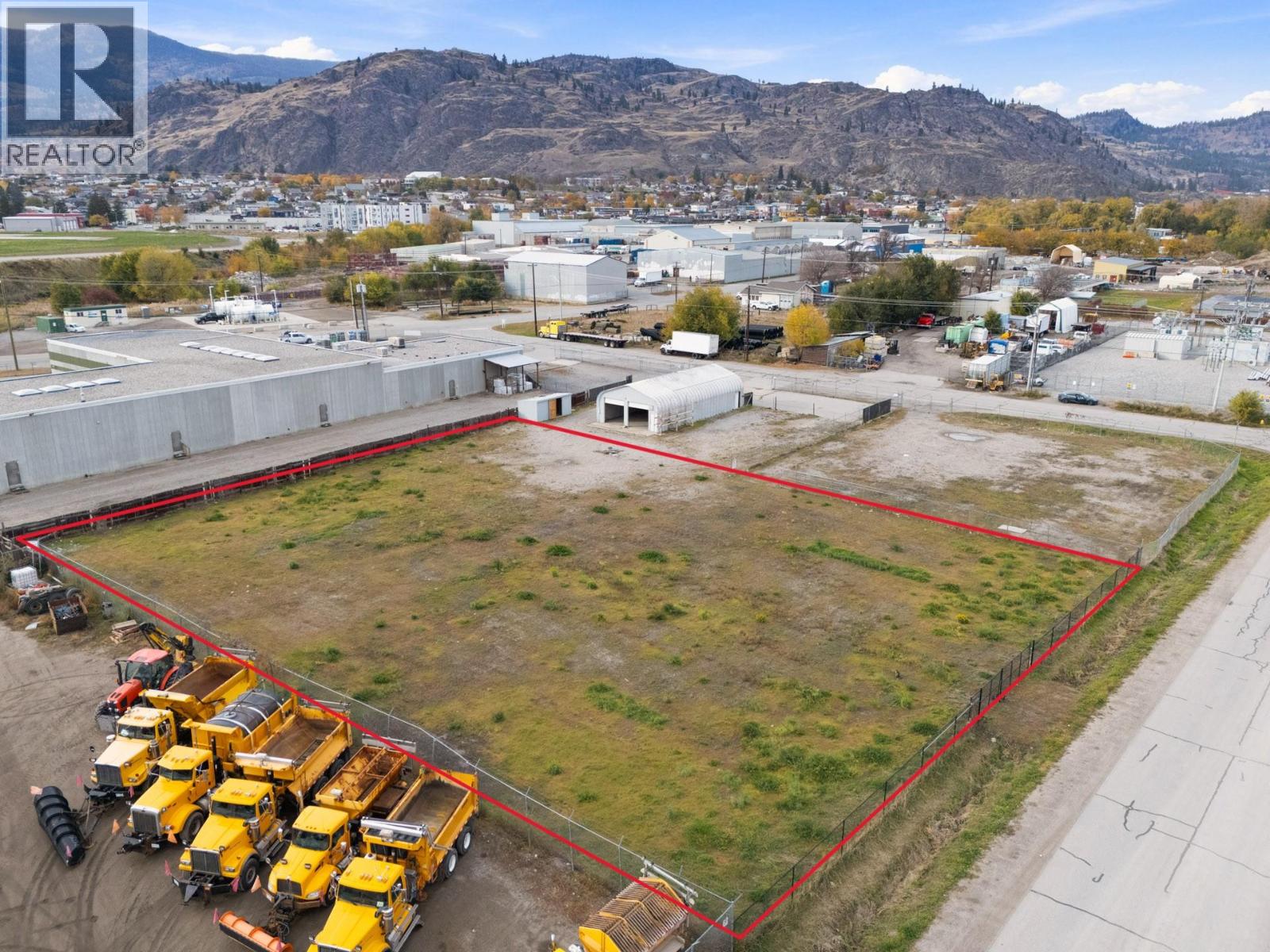
Self-Storage Facilities for Sale in BC: A Buyer's Guide to British Columbia Storage Investments
Why Self-Storage Facilities for Sale in BC Are a Smart Investment
Self-storage facilities are one of the most passive and recession-resistant commercial real estate investments available in British Columbia. They generate recurring monthly revenue with minimal staffing, benefit from low maintenance costs, and have proven resilient through economic cycles — people always need storage during life transitions (moving, downsizing, divorce, estate clearing, business inventory). In BC's growing suburban communities, demand for self-storage is rising as housing density increases and residents need space for vehicles, boats, recreational equipment, and household overflow.
Whether you are looking for a single facility in Surrey, a multi-site portfolio in the Fraser Valley, or a climate-controlled facility in the Okanagan, this guide explains what to look for when buying a self-storage facility in British Columbia.
This article is for educational purposes only and does not constitute financial, investment, or real estate advice. Verify current market conditions, regulatory requirements, and property details with the original sources and qualified professionals before making any decision.
What Is a Self-Storage Facility in BC?
In BC commercial real estate, a self-storage facility (also called mini-storage) is a property divided into individual rental units leased to tenants for personal or business storage. Key characteristics include:
- Unit types: Drive-up units (roll-up doors, ground floor), interior units (interior access), climate-controlled units (temperature and humidity regulated), vehicle/boat/RV storage (open or covered), and wine storage.
- Size range: 25 sq ft (locker) to 400+ sq ft (large unit); typical facility has 300–1,500 units.
- Revenue model: Monthly rental per unit, with rate based on unit size, climate control, and location. Ancillary revenue from late fees, insurance, retail (boxes, locks, packing supplies), and vehicle storage.
- Access: 24/7 gated access with keypad, camera surveillance, and on-site manager (or fully automated with remote monitoring).
- Location: Commercial corridors, residential transition areas, and suburban growth zones with good highway access.
BC Self-Storage Market Overview
Several trends shape the BC self-storage market:
- Suburban population growth: Surrey, Langley, Abbotsford, and Kelowna are growing rapidly, creating demand for self-storage near new residential developments.
- Housing density: As BC communities densify and lot sizes shrink, residents increasingly need off-site storage for vehicles, boats, and household items.
- Recession resistance: Self-storage has proven resilient through economic downturns — life transitions (moving, divorce, downsizing) occur regardless of economic conditions.
- Technology adoption: Modern facilities use automated access, online rentals, digital payments, and remote surveillance, reducing on-site staffing needs.
- Rate stability: Self-storage rates are relatively stable compared to other commercial real estate, with steady annual rate increases of 3%–6%.
- Development pipeline: New self-storage construction in BC is limited, supporting occupancy and rate growth for existing facilities.
- Aging ownership: Some long-established facilities are owned by retiring operators, creating acquisition opportunities with established customer bases.
Top Regions for Self-Storage Facilities for Sale in BC
1. Metro Vancouver & the Fraser Valley — Surrey, Langley, Abbotsford
The Lower Mainland's dense population, high housing costs, and growing suburban communities make it BC's strongest self-storage market. Surrey — BC's fastest-growing city — has growing demand from new residents and businesses. Langley and Abbotsford offer lower acquisition costs while benefiting from the same population growth. Facilities on major arterials with good highway access are particularly strong.
Buyer profile: Passive-income investors, commercial real estate investors, and semi-absentee owners.
2. The Okanagan — Kelowna, Vernon, Penticton
The Okanagan's growing population, retirement migration, and tourism create demand for self-storage, particularly for vehicle, boat, and RV storage. Kelowna's expanding residential areas support both traditional and climate-controlled facilities. Smaller Okanagan communities offer lower entry costs while maintaining steady demand.
Buyer profile: Lifestyle investors, value buyers, and investors targeting RV/boat storage demand.
3. Vancouver Island — Victoria, Nanaimo, Courtenay
Vancouver Island's growing communities and steady in-migration support self-storage demand. Victoria has the highest prices but very stable demand from urban residents. Nanaimo and Courtenay offer lower entry costs with steady demand from local residents and retirees.
Buyer profile: Owner-operators and investors targeting island markets with less competition.
4. BC Interior — Kamloops, Prince George
The BC Interior offers some of the province's most accessible self-storage pricing, with growing demand from regional populations and resource-industry workers. These markets offer higher cap rates than the Lower Mainland, making them attractive for yield-focused investors.
Buyer profile: Yield-focused investors, value buyers, and owner-operators seeking affordable entry.
Types of Self-Storage Facilities for Sale in BC
| Type | Typical Size | Best For |
|---|---|---|
| Drive-up (non-climate) | 300–1,000 units, 25–400 sq ft each | Passive investors, lowest cost per unit |
| Climate-controlled | 200–800 units, interior access | Premium pricing, urban locations |
| Vehicle / boat / RV storage | Open or covered, large pads | Okanagan, Vancouver Island, tourism markets |
| Wine storage | Climate-controlled, specialized | Okanagan wine region |
| Mixed-use facility | Drive-up + climate + vehicle | Investors seeking diversified revenue |
| Multi-site portfolio | Multiple facilities | Experienced investors building scale |
How to Buy a Self-Storage Facility in BC: Step-by-Step
- Define your investment criteria: Determine budget, preferred facility type (drive-up, climate, vehicle, mixed), operator model (passive vs. active), and target region.
- Engage a broker experienced with self-storage: Self-storage transactions require analysis of unit mix, occupancy, rate per sq ft, and market demographics. Work with a broker who understands BC self-storage.
- Analyze the financials: Request 2–3 years of operating statements, occupancy reports, and rate schedules. Key metrics include physical occupancy, economic occupancy (accounting for discounts and free units), rate per sq ft, and revenue per unit.
- Evaluate the facility: Commission a property inspection — assess unit condition, gate/access system, surveillance, lighting, roofing, paving, and drainage. Self-storage facilities have lower maintenance than other commercial real estate but still require capital expenditure planning.
- Assess the location: Review demographics, population growth, housing density, competition within the trade area, and visibility from the road.
- Review the lease or property: If leasing the land, review the ground lease terms. If buying, confirm zoning for self-storage use and any expansion potential.
- Conduct due diligence: Review environmental status (especially if the site previously had a different use), equipment leases (gate systems, surveillance), and any franchise or management agreements.
- Secure financing: Self-storage financing is commercial. Conventional lenders may require 25–35% down, 2–3 years of operating statements, and an appraisal. Self-storage is increasingly recognized by lenders as a stable asset class.
- Negotiate and close: Engage a BC commercial real estate lawyer to manage the purchase agreement, lease assignment or property transfer, and closing.
Due Diligence Checklist: Self-Storage Facilities for Sale in BC
| Item | Why It Matters |
|---|---|
| Physical & economic occupancy (2–3 years) | Physical = units rented; economic = revenue collected (accounts for discounts/free units) |
| Rate per sq ft by unit type | Core metric for valuation and competitive positioning |
| Unit mix (drive-up vs. climate vs. vehicle) | Diversified mix reduces risk and maximizes revenue |
| Gate, surveillance & access system | Security systems are essential for unattended operation |
| Roof, paving & drainage condition | Major capital expenditure items |
| Competition within 3–5 mile radius | Overbuilding in a trade area depresses rates and occupancy |
| Demographic & population growth | Growing population = growing demand for storage |
| Zoning & expansion potential | Confirm self-storage use and any room to add units |
| Environmental site assessment | Required if the site had a previous use (gas station, industrial) |
| Management agreement (if managed) | Review fees, terms, and termination provisions |
| Property tax assessment | Confirms tax status and identifies reassessment risk post-sale |
Understanding Self-Storage Cap Rates & Valuation
The cap rate is the primary metric for valuing self-storage facilities. calculated as NOI ÷ purchase price. Key metrics include:
| Property Profile | Typical BC Cap Rate |
|---|---|
| Drive-up, Metro Vancouver | 4.5%–6.0% |
| Climate-controlled, Metro Vancouver | 4.0%–5.5% |
| Drive-up, Fraser Valley / Okanagan | 5.5%–7.0% |
| Drive-up, BC Interior / Vancouver Island | 6.5%–8.0% |
| Value-add / low occupancy | 7.5%+ (unstabilized) |
These ranges are illustrative only and vary by facility, location, and market conditions. Verify current cap rates with a commercial broker or appraiser familiar with BC self-storage.
Financing a Self-Storage Purchase in BC
Self-storage financing is commercial and is increasingly recognized by lenders as a stable asset class. Common approaches include:
- Conventional commercial financing: 25–35% down for established facilities; 2–3 years of operating statements; debt coverage ratio of 1.25+.
- SBA-style loans: Canada Small Business Financing Loans may be available for qualifying self-storage acquisitions.
- Seller financing: Common in self-storage transactions; bridges valuation gaps and supports transition.
- Construction financing: For new self-storage development or expansion of existing facilities.
Speak with a commercial mortgage broker experienced in BC self-storage transactions. This section is informational only and not financial advice.
BC-Specific Regulatory Considerations for Self-Storage Buyers
- Business licence: Every self-storage facility in BC requires a municipal business licence. Confirm the licence is current and transferable.
- Zoning: Confirm the property is zoned for self-storage use, including any restrictions on vehicle or RV storage, signage, and hours of operation.
- Environmental: If the site previously had a different use (gas station, industrial), confirm environmental compliance with BC regulations.
- Consumer protection: BC's Consumer Protection Act and the Self-Storage Act govern rental agreements, lien procedures, and tenant rights. Review compliance.
- Real Estate Services Act compliance: Commercial transactions must comply with BC real estate licensing and disclosure requirements.
Frequently Asked Questions: Self-Storage Facilities for Sale in BC
How much does a self-storage facility cost in British Columbia?
Self-storage facility prices in BC range widely. A small drive-up facility (300 units) in the BC Interior may sell for $1–2 million. A 500–800 unit facility in Surrey or Langley typically sells for $3–8 million depending on unit mix, occupancy, and land value. Climate-controlled facilities command a premium. Larger portfolios (multi-site) can exceed $15 million. Verify current pricing by comparing recent sales in your target market.
What is a good cap rate for a self-storage facility in BC?
Cap rates for BC self-storage typically range from 4.5%–8.0%, depending on location, unit mix, occupancy, and whether the real estate is included. Drive-up facilities in Metro Vancouver may trade at 4.5%–6.0%, while BC Interior facilities may offer 6.5%–8.0%. Climate-controlled facilities generally trade at lower cap rates due to higher construction costs and premium rates. These are illustrative ranges only — verify with a commercial broker or appraiser.
Are self-storage facilities truly passive income?
Self-storage is one of the most passive commercial real estate investments, but it is not completely hands-off. Modern facilities with automated access, online rentals, and remote surveillance require minimal on-site staffing — often just a part-time manager for move-ins/move-outs and maintenance. Older facilities may require more on-site presence. Many owners hire a property management company specializing in self-storage for day-to-day operations.
What is the difference between physical and economic occupancy?
Physical occupancy is the percentage of units currently rented. Economic occupancy is the percentage of potential revenue actually collected, accounting for discounts, free units (employee units, maintenance units), and promotional rates. Economic occupancy is always lower than physical occupancy and is the more accurate measure of facility performance. Always review both metrics.
What financing is available for a self-storage purchase in BC?
Conventional commercial financing (25–35% down), Canada Small Business Financing Loans, seller financing, and construction financing (for new development or expansion) are all options. Self-storage is increasingly recognized by lenders as a stable asset class. Speak with a commercial mortgage broker experienced in BC self-storage transactions.
What due diligence should I do before buying a self-storage facility in BC?
Request 2–3 years of operating statements, physical and economic occupancy data, rate schedules by unit type, unit mix, gate/surveillance system condition, roof/paving/drainage inspection, competition analysis, demographic data, zoning confirmation, environmental assessment (if applicable), and property tax assessment. Engage a BC commercial real estate lawyer to manage the transaction.
Ready to Find a Self-Storage Facility for Sale in BC?
Whether you are seeking a drive-up facility in Surrey, a climate-controlled operation in the Okanagan, a vehicle/boat/RV storage facility on Vancouver Island, or a multi-site portfolio across BC, Rexara Realty Inc. can help you identify and acquire the right self-storage facility for your investment goals.
We work with buyers across British Columbia's self-storage market — providing access to on-market and off-market opportunities, financial analysis support, and end-to-end transaction advisory. Use our investor ROI calculator to model potential returns.
Gurjit Ghai
REALTOR® — Personal Real Estate Corporation
Rexara Realty Inc.
☎ 778-855-2019
✉ info@rexararealty.com
🌐 www.rexararealty.com
This article is for educational purposes only and does not constitute legal, financial, investment, or real estate advice. Market data is drawn from publicly available sources and changes over time. Verify current figures with the original sources and consult qualified professionals before making real estate or financial decisions.

Gurjit Ghai, REALTOR®
Gurjit Ghai Personal Real Estate Corporation
Brokerage: Rexara Realty Inc.
Licensed Managing Broker specializing in commercial transactions, residential acquisitions, ALR farmland, and business brokerage across British Columbia.
Verify licence on BCFSA public registry →View author profile & articles →⚖️Important Real Estate & Legal Disclaimer
This article is provided for general informational and educational purposes only and does not constitute legal, tax, accounting, financial, or professional real estate advice. Real estate laws, BC Financial Services Authority (BCFSA) guidelines, municipal bylaws, and tax regulations (including Property Transfer Tax, GST, and cooling-off rules) are subject to change and apply differently based on individual circumstances.
Readers should not act or rely upon any information contained herein without obtaining competent professional legal, tax, or financial counsel and consulting directly with a licensed British Columbia real estate professional. Rexara Realty Inc., its managing broker, and its associated licensees expressly disclaim all liability with respect to actions taken or not taken based on any content in this article.